Heart Valve and Structural Conditions
What are heart valve and structural conditions?
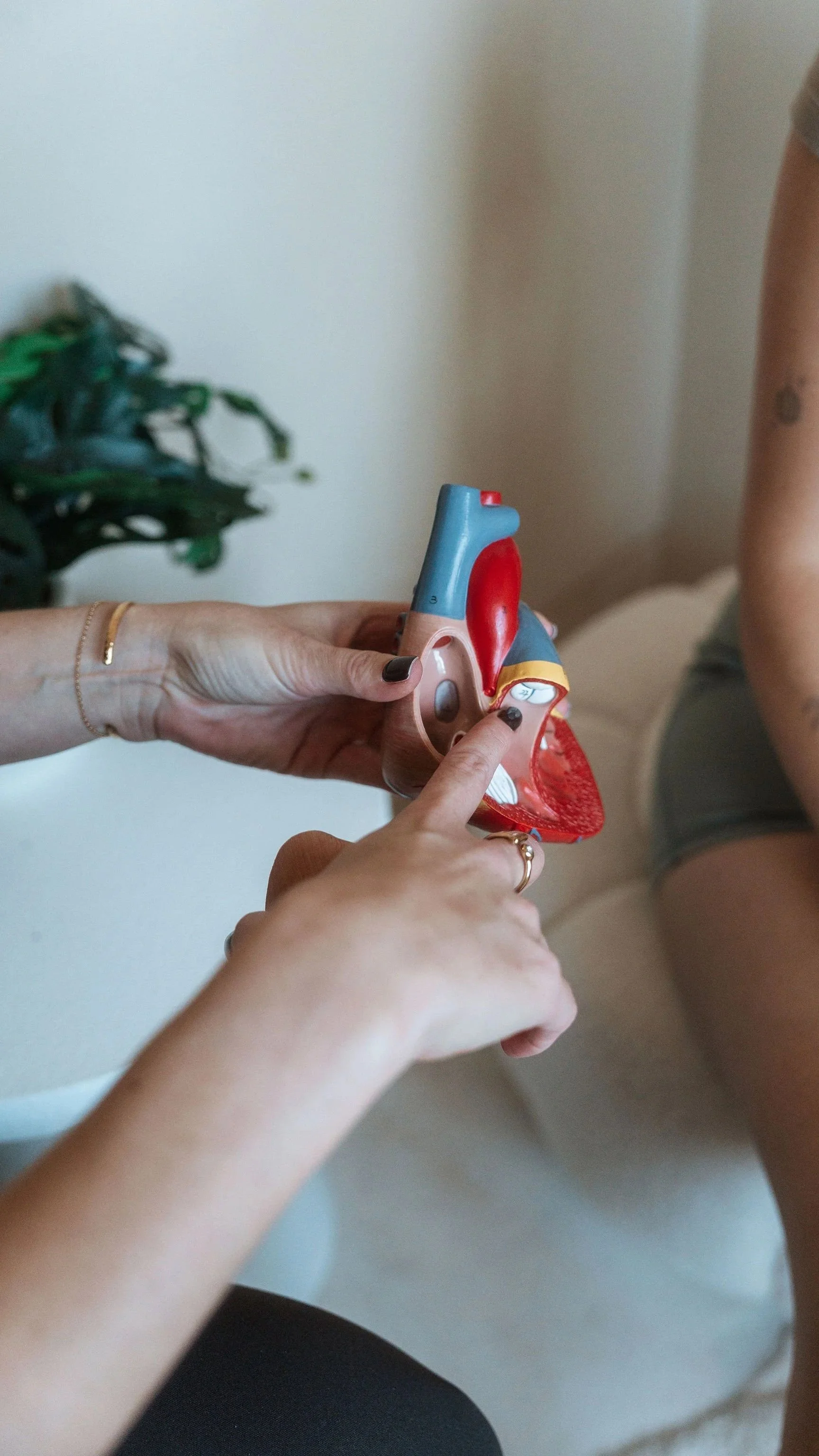
Structural and valvular heart conditions affect the heart’s anatomy or the function of one or more heart valves, which help regulate blood flow through the heart.
These conditions include:
Heart valve conditions, such as aortic or mitral valve stenosis or regurgitation
Aortopathies, including enlargement or changes in the structure of the aorta that require ongoing monitoring
Congenital structural conditions present from birth
Valve repair or replacement, including surgical or transcatheter procedures (e.g. TAVI)
Other structural changes that influence how the heart fills or pumps
Symptoms vary depending on the condition and severity. Some people experience breathlessness, fatigue, reduced exercise tolerance, or palpitations, while others may have few noticeable symptoms.
Why it matters
Structural and valvular heart conditions can influence how people experience movement and physical activity, including:
Exercise capacity and endurance during daily activities or structured exercise
Confidence with physical activity, particularly before or after diagnosis or intervention
Recognition of physical responses to activity, such as breathlessness, fatigue, or light-headedness
Once diagnosed and medically cleared, appropriately guided exercise can support functional capacity, confidence, and quality of life.
Our support and exercise approach
Exercise physiology support for structural and valvular heart conditions focuses on helping people remain active safely, maintain or rebuild fitness, and feel confident with movement, while respecting individual symptoms and medical guidance.
This includes:
Individually prescribed exercise informed by valve, structural, or aortic considerations
Gradual aerobic and resistance training to support cardiovascular fitness, strength, and functional capacity
Education on pacing, symptom awareness and appropriate exercise intensity
Lifestyle support to assist with long-term heart health and daily activity habits
Ongoing review and refinement of exercise programs as symptoms, fitness, or medical guidance change
Support for people recovering from cardiac valvular or structural procedures
A collaborative approach with your healthcare team to ensure exercise and lifestyle strategies align with your broader care plan
1:1 Exercise Physiology, Telehealth, Clinical Pilates or Small Group Classes