Postural Orthostatic Tachycardia Syndrome
What is postural orthostatic tachycardia syndrome?
Postural Orthostatic Tachycardia Syndrome (POTS), is a condition that affects the autonomic nervous system, which controls involuntary bodily functions like heart rate and blood pressure. Whilst the heart is usually structurally normal, it causes the heart to beat abnormally fast when moving between lying or sitting to standing, which can make daily activities exhausting and challenging.
What are the symptoms?
Common experiences include dizziness or lightheadedness, palpitations, fatigue, brain fog, presyncope or fainting, shortness of breath, chest discomfort, nausea or gastrointestinal issues, headaches or migraines, heat intolerance, sleep disturbances and exercise intolerance.
POTS frequently coexists with conditions such as Ehlers-Danlos Syndrome (EDS), Chronic Fatigue Syndrome (ME/CFS), Long Covid and Mast Cell Activation Syndrome (MCAS).
What does treatment and support look like?
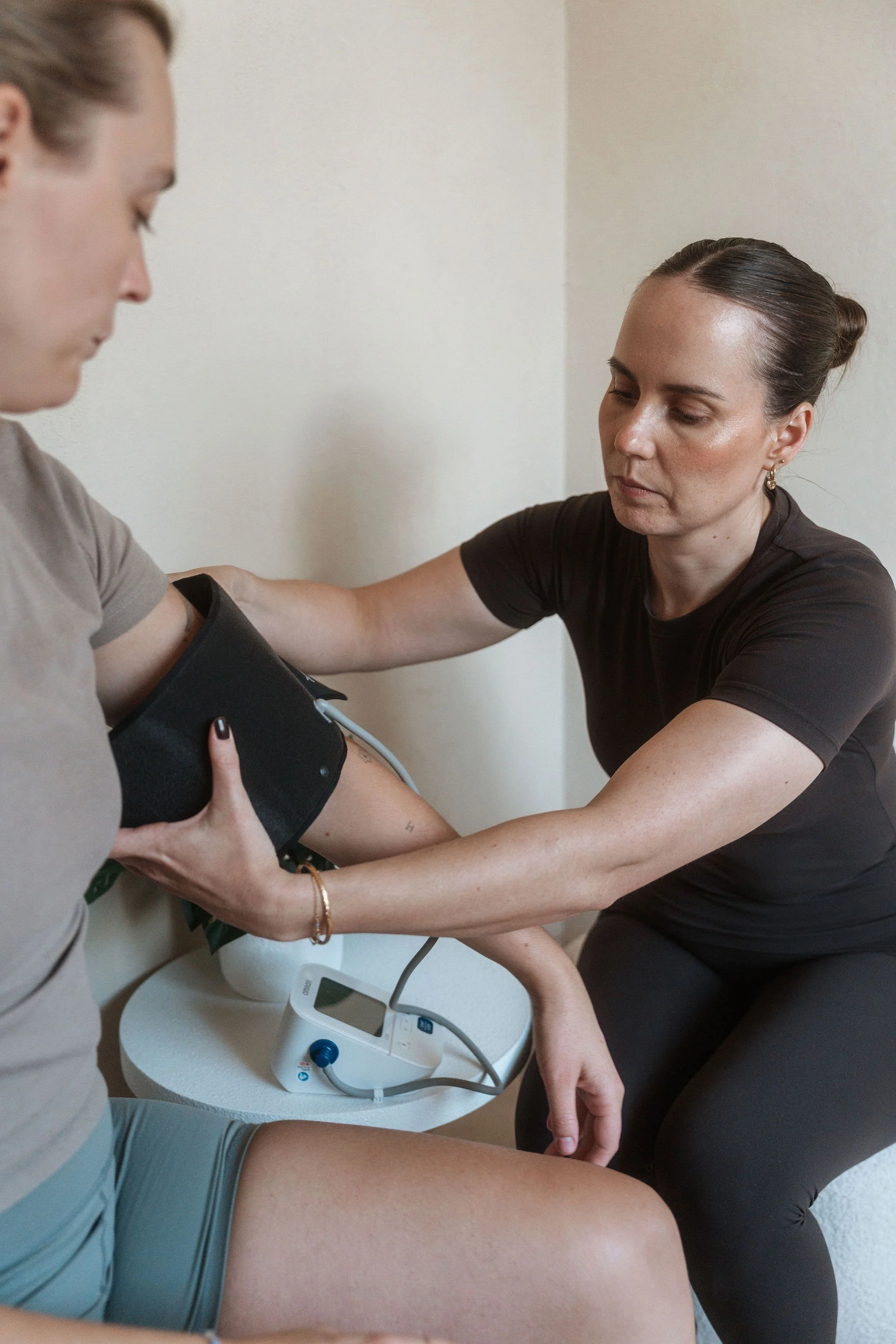
Exercise is a cornerstone of POTS management, but it must be approached carefully with a tailored and progressive plan. While many people with POTS experience significant exercise intolerance, a structured program can gradually recondition the cardiovascular system, improve orthostatic tolerance, and enhance overall functional capacity and quality of life.
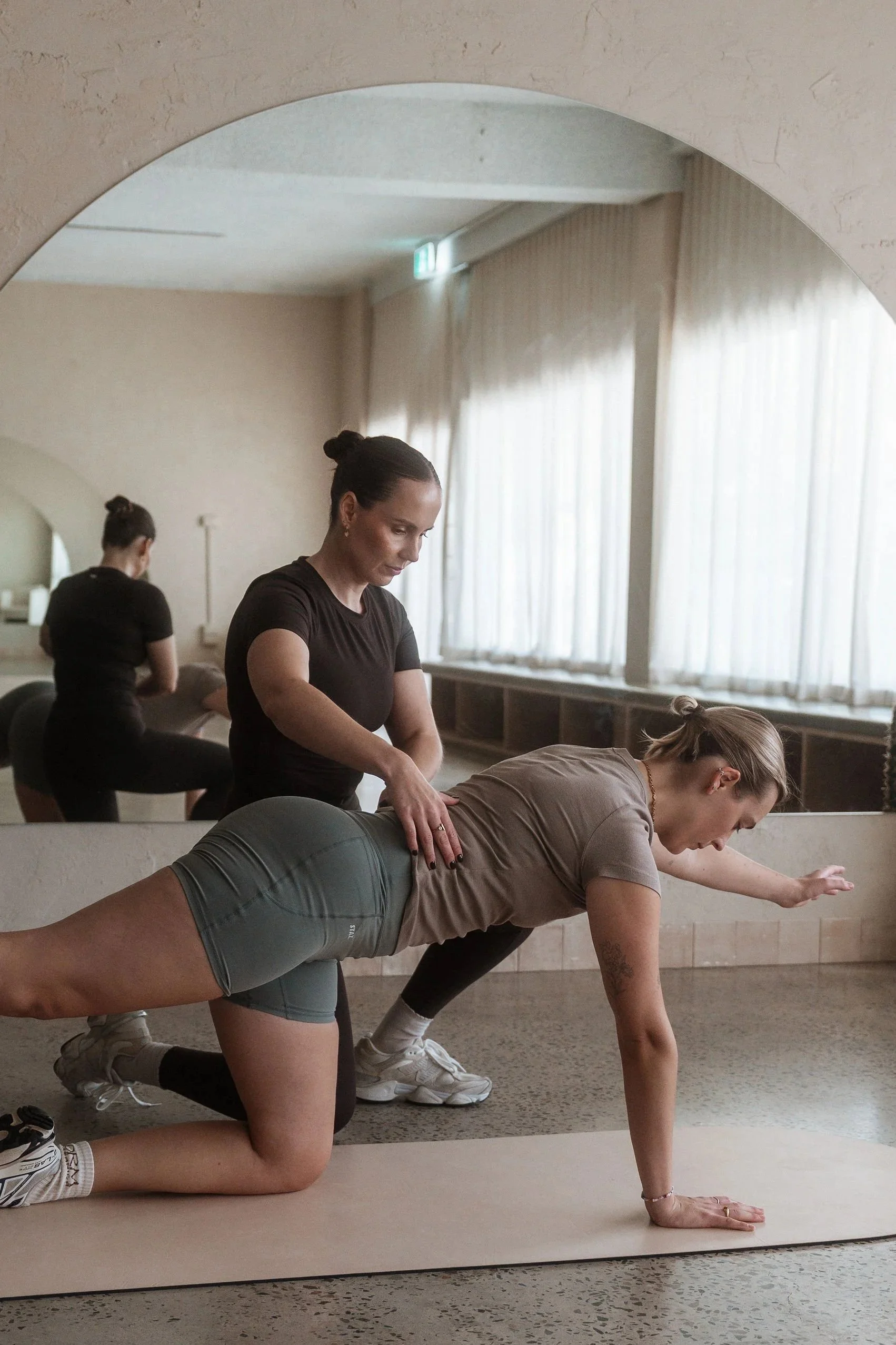
Early stages of exercise should focus on low intensity and short duration activities, prioritising supine or seated exercises to minimise the effects of gravity on blood pooling. Examples include recumbent cycling, rowing, swimming, floor-based exercises such as pilates and strength exercises. Strengthening the lower body and core muscles is particularly important to support venous return, improve orthostatic tolerance and reduce blood pooling.
Other strategies that support safe exercise include maintaining adequate hydration and sodium intake (under medical supervision), wearing compression garments, developing pacing routines to avoid post-exertional malaise and carefully monitoring symptoms.
Because POTS affects each individual differently, there is no one-size-fits-all approach. Working with a cardiovascular informed Exercise Physiologist is highly recommended to develop an individualised exercise program tailored to specific symptoms, limitations and goals.
Our approach
A gradual, structured exercise plan tailored to your needs
Initial focus on lower body & core strength as well as aerobic re-conditioning
Pacing strategies to avoid boom-bust cycling
Education about how your body and condition responds to movement
In-clinic and telehealth options
1:1 Exercise Physiology & clinical pilates or small group POTS classes