High Blood Pressure: What Your Numbers Mean
My blood pressure is high. What does that actually mean?
If you've just been told your blood pressure is high, you're not alone — and you're not alone in feeling unsure about what the numbers actually mean, either. At CardioCare Clinic in Bondi Junction, we help people understand their results and build a safe, tailored exercise plan around them.
High blood pressure is very common in Australia, and many people don't know they have it, since it often causes no symptoms at all. This is why it's sometimes called a "silent" risk factor.
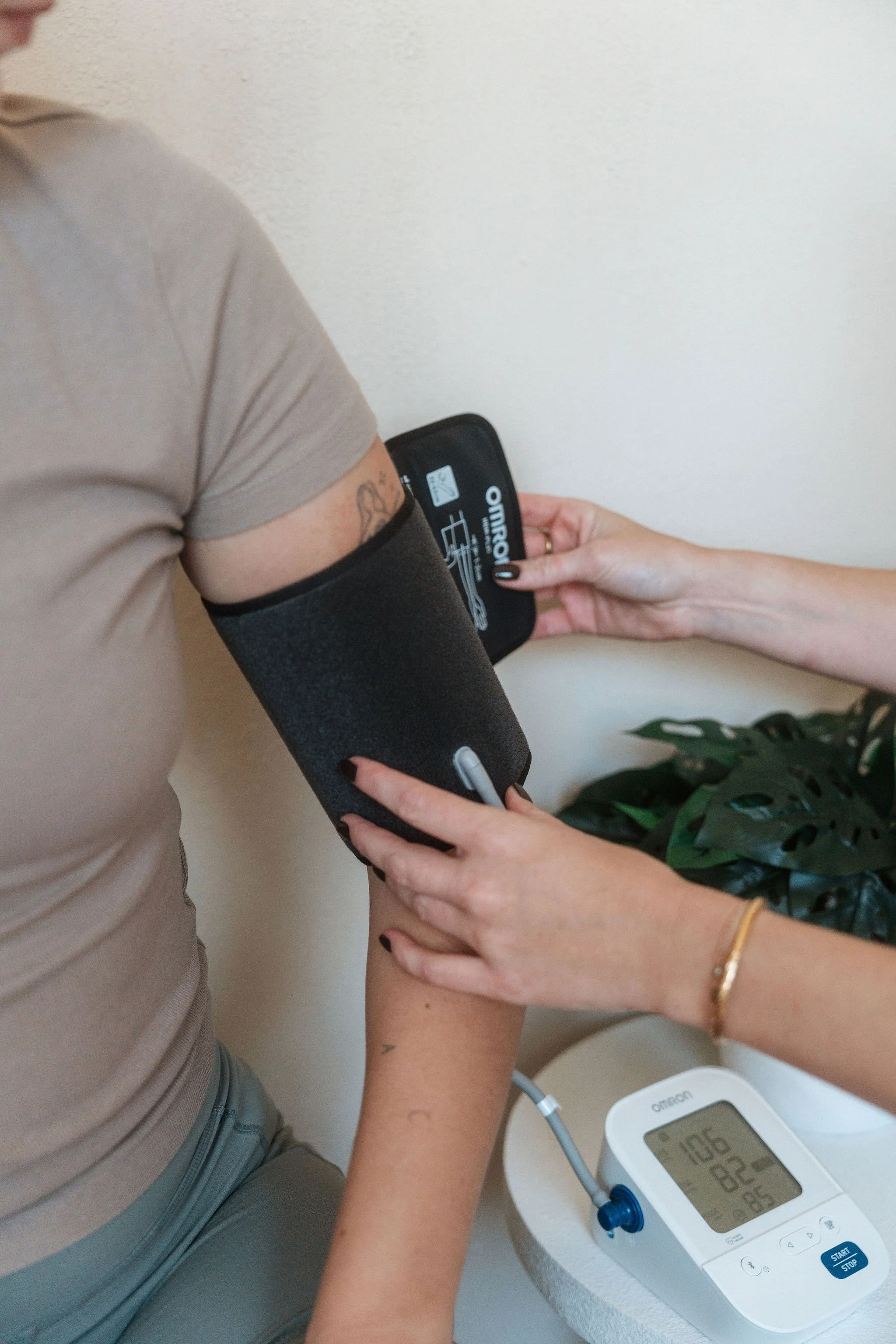
Your blood pressure reading has two numbers. The top number (systolic) measures the pressure in your arteries when your heart beats. The bottom number (diastolic) measures the pressure when your heart relaxes between beats. A generally healthy reading sits around 120/80 mmHg or below. As readings rise above this, your overall cardiovascular risk can increase.
Why this matters for your heart
High blood pressure is one of the most common modifiable risk factors for cardiovascular disease in Australia, contributing to conditions such as heart disease, stroke and kidney disease.
The encouraging part is that blood pressure responds well to lifestyle change. For many people, it can improve over time through regular movement, nutrition, stress management and, where needed, medication prescribed by your doctor. Physical activity, diet quality, stress, alcohol intake and smoking all play a part — which means there’s often more than one area we can work on.
How exercise helps
Regular physical activity is one of the most effective ways to support healthy blood pressure and reduce overall cardiovascular risk.
Exercise works on the body in several ways. It improves how efficiently the heart pumps blood, supports healthier function of the blood vessel lining, and helps vessels respond more effectively to changes in demand — all of which contribute to better circulation and more efficient cardiovascular function over time.
Research suggests regular exercise can lower systolic blood pressure by around 5-7 mmHg on average, an effect that for some people is comparable to first-line blood pressure medication. The response varies from person to person, but even modest improvements can carry meaningful long-term benefits.
What type of exercise helps most?
A combination of aerobic exercise, resistance training and everyday movement generally supports long-term cardiovascular health best.
Aerobic exercise. Walking, cycling, swimming or group classes are often the foundation — supporting heart and vessel health, improving circulation, and contributing to gradual improvements in blood pressure and overall risk.
Resistance training. Strength training can help when introduced appropriately, supporting muscle health, metabolic function and cardiovascular wellbeing. The focus is on controlled movement, good technique and steady breathing — avoiding breath-holding during effort.
Isometric exercise. Static exercises such as wall sits may also support blood pressure management, though these are typically introduced in an individualised way rather than as a first-line approach for everyone.
Everyday movement. Reducing long periods of sitting, building walking into daily routines, and gradually increasing overall activity all matter too, alongside structured exercise.
We offer this support through 1:1 Exercise Physiology, Clinical Pilates or small group classes — in person at Bondi Junction, Sydney, or via telehealth across Australia.