
POTS and Dysautonomia
Individualised exercise physiology for people living with POTS, dysautonomia and exercise intolerance
At CardioCare Clinic, we take the time to understand how your symptoms affect you and where you're starting from. Your exercise program is then tailored to your current capacity, your symptoms and your goals, with the aim of gradually building strength, confidence and tolerance to activity.
Appointments are available in Bondi Junction, Sydney and via telehealth across Australia.
What is postural orthostatic tachycardia syndrome?
Postural Orthostatic Tachycardia Syndrome (POTS), is a condition that affects the autonomic nervous system, which controls involuntary bodily functions like heart rate and blood pressure. Whilst the heart is usually structurally normal, POTS causes the heart to beat abnormally fast when moving between lying or sitting to standing, which can make daily activities exhausting and challenging.
What are the symptoms?
Common experiences include dizziness or lightheadedness, palpitations, fatigue, brain fog, presyncope or fainting, shortness of breath, chest discomfort, nausea or gastrointestinal issues, headaches or migraines, heat intolerance, sleep disturbances and exercise intolerance.
POTS frequently coexists with conditions such as Ehlers-Danlos Syndrome (EDS), Chronic Fatigue Syndrome (ME/CFS), Long Covid and Mast Cell Activation Syndrome (MCAS).
How exercise physiology can help with POTS
Exercise can be an important part of POTS management, but it needs to be approached carefully, with a tailored and progressive plan. When approached at the right starting point, a structured exercise program can gradually improve cardiovascular fitness, orthostatic tolerance and overall functional capacity.
At CardioCare Clinic, we start with where you are now and build from there. Your program is tailored to your symptoms, current capacity and goals, with adjustments along the way as your tolerance and confidence develop.
Depending on your needs, your exercise program may include:
Supine, seated or recumbent exercise initially
Gradual aerobic conditioning to improve exercise tolerance
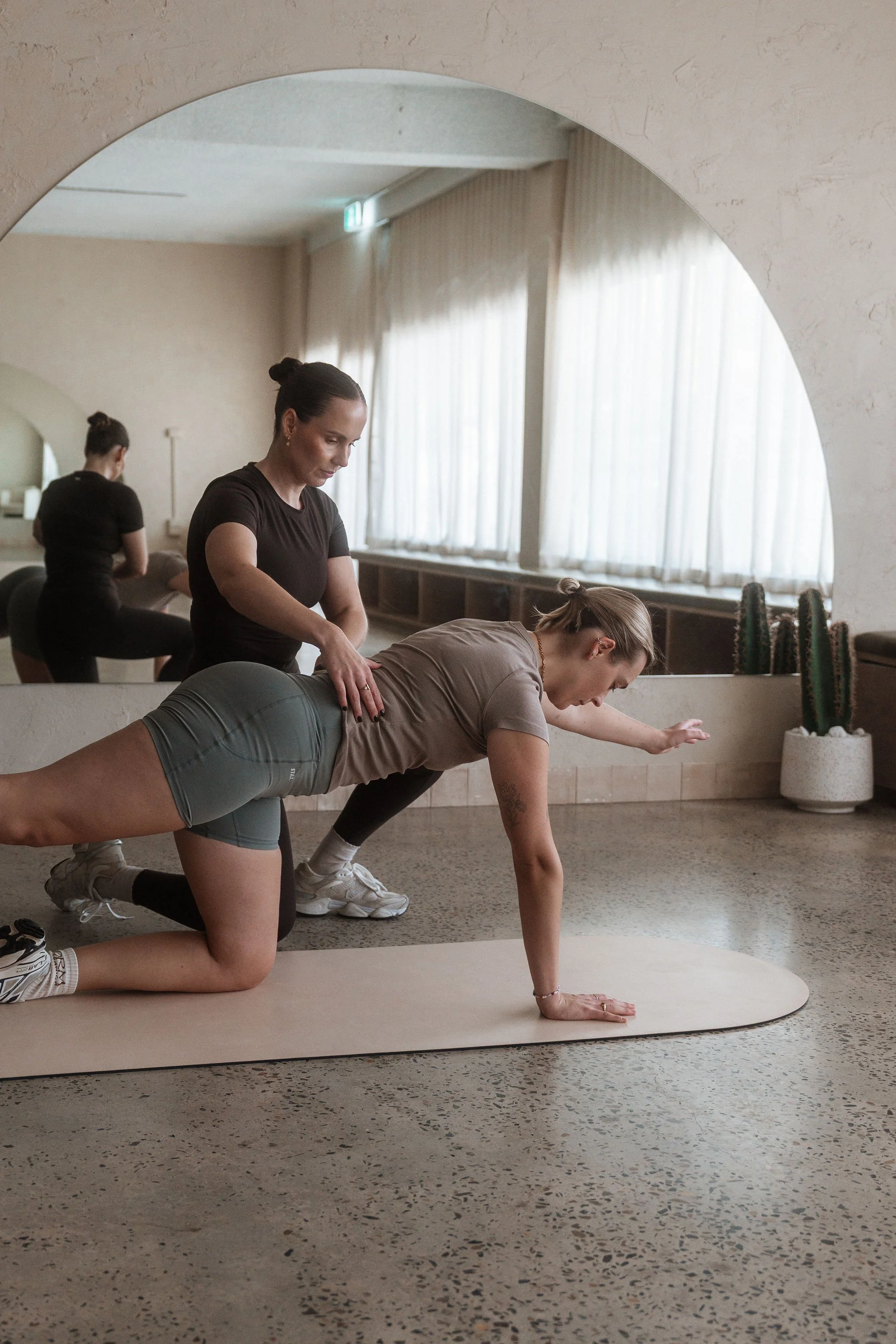
Strength training, particularly for the lower body and core
Gradually increasing tolerance to upright activity
Pacing and adapting exercise around fatigue, symptoms and recovery
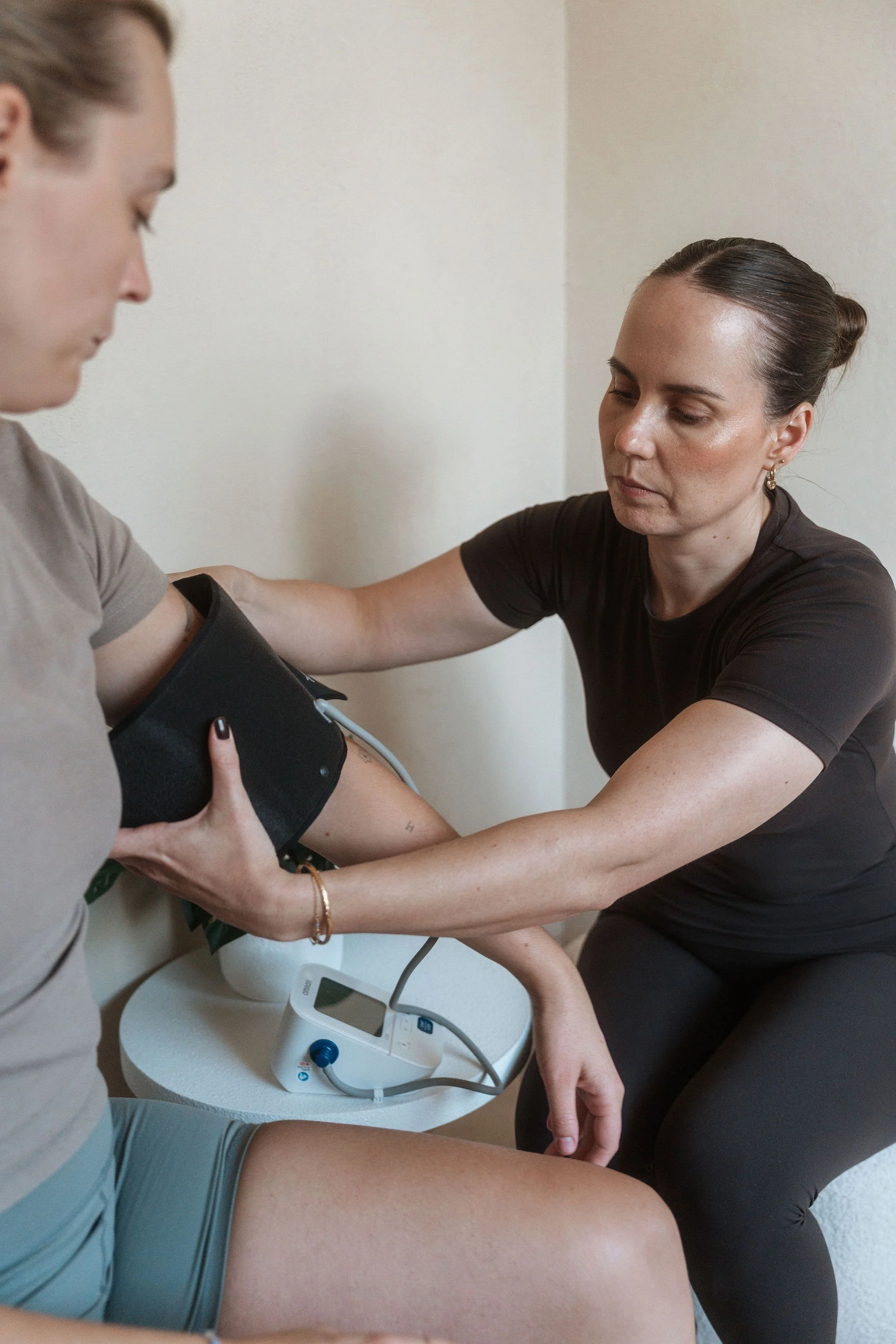
Monitoring heart rate, blood pressure and symptoms where appropriate
A practical home program that fits into your everyday life
Education about how your body and condition responds to movement
Progress isn't always about increasing exercise. It can mean building your capacity to manage everyday activities with greater confidence, fewer symptoms and less recovery afterwards.
Looking at the bigger picture
Exercise is only one part of managing POTS. Depending on your symptoms and individual circumstances, other strategies may also be part of your overall management.
This can include things such as hydration, sodium intake, compression and other strategies. We recognise that POTS can be complex and may benefit from input from other health professionals. Where appropriate, we aim to work alongside your GP, other treating specialists and refer to other health professionals such as a dietitians etc. when additional support is needed.
Ways we can work together
In Clinic 1:1 Exercise Physiology
Telehealth 1:1 Exercise Physiology
Clinical Pilates
Small Group POTS Exercise Class
Frequently Asked Questions
-
Yes, you don't necessarily need to wait for a formal diagnosis to seek exercise support. Many people come to us while they are being investigated for POTS or experiencing symptoms of dysautonomia.
-
Yes. These conditions can affect how you respond to exercise and how you recover. We consider your symptoms, current capacity and recovery as part of your overall program, rather than looking at POTS in isolation.
-
Yes. Exercise is an important part of managing POTS, but it needs to be approached thoughtfully and tailored to the individual.
For many people, exercise initially needs to be completed lying down, seated or in a recumbent position, particularly when being upright is difficult. From there, exercise can be gradually progressed as tolerance develops, including building towards more upright activity.
Your symptoms, current capacity and recovery are all considered when developing your program. The aim is to find an approach that supports your health and helps you gradually build your tolerance to activity.
-
Yes. Exercise can be approached differently. If exercise has previously left you feeling worse, that is important information for us to understand.
We look at your current capacity, symptoms and how you respond to exercise and recover afterwards. The type, intensity and amount of exercise can then be adjusted accordingly.
The aim isn't to push through symptoms. It's to find an appropriate starting point and gradually build your tolerance as your capacity develops.
-
Fluctuations are common with POTS. Your program is designed to be flexible, so we can adjust exercise around changes in symptoms, fatigue and recovery rather than expecting you to follow exactly the same plan every day. Telehealth support is also available if you don’t feel up to coming into the clinic.
-
Our POTS small group sessions are limited to four people, allowing you to work through the session at your own pace while still having guidance from an Exercise Physiologist.
All exercises are completed seated or lying down, with exercises adapted to your symptoms and current capacity. As your tolerance develops, exercises can be gradually progressed.
The sessions provide an opportunity to build strength and exercise tolerance alongside others living with POTS, in an environment where symptoms are understood and taken into account.