
Exercise After a Heart Stent
The information on this page is general health information only. It doesn't replace the specific advice given to you by your own doctor, cardiologist or cardiac rehabilitation team, who know your individual situation. Always follow the instructions you've been given personally before relying on general guidance like this.
What is a heart stent?
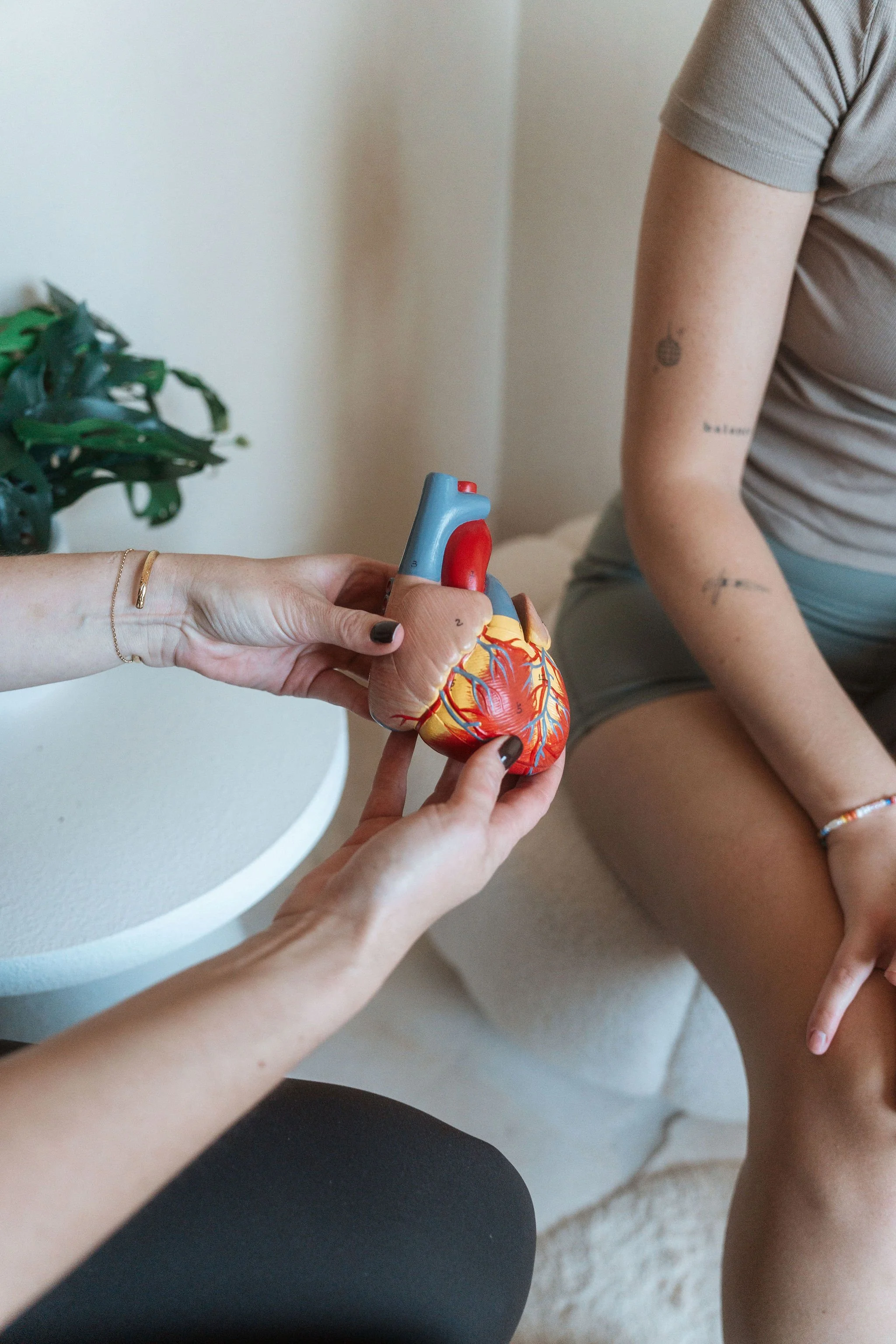
A heart stent is a small mesh tube inserted into a narrowed or blocked coronary artery to help restore blood flow to the heart muscle. The procedure is commonly performed when plaque build-up has reduced blood flow through the artery, sometimes causing symptoms such as chest pain, or following a heart attack.
For many people, a stent can significantly improve symptoms and reduce the risk of further complications. However, while a stent helps open the affected artery, it does not treat the underlying coronary artery disease. For this reason, ongoing management remains important. Regular exercise, heart-healthy lifestyle habits, appropriate medications and ongoing medical care all play a role in supporting long-term cardiovascular health.
Returning to exercise after a heart stent
Many people leave hospital after a stent procedure unsure about how much activity is appropriate, or when they can return to their usual routine. In most cases, a gradual return to movement is encouraged as part of recovery, with activity building progressively over time.
While recovery looks slightly different for everyone, it often follows a general progression from light daily activity through to more structured exercise.
Returning to daily activity. The early focus is usually on regular walking and gentle movement throughout the day. This helps re-establish confidence, reduce prolonged sitting, and gradually rebuild a routine of physical activity.
Structured aerobic exercise. As recovery progresses, many people begin more structured cardiovascular exercise such as brisk walking, stationary cycling, swimming or other low-impact aerobic activity. Duration and intensity are generally increased gradually based on symptoms, fitness and guidance from your healthcare team.
Strength and conditioning. Once you’ve been cleared by your treating team, resistance training may be introduced. Strength-based exercise can support overall function, confidence, and long-term cardiovascular health. Exercise selection and progression should be individualised based on your recovery, goals and any other health considerations.
Was your stent placed during or after a heart attack? Recovery is generally guided a little differently — see our guide to Exercise After a Heart Attack.
Had bypass surgery instead? See our guide to Exercise After Bypass Surgery (CABG).
Why exercise matters
Returning to exercise after a cardiac procedure can feel uncertain, particularly in the early stages of recovery. Many people are unsure how much they should be doing, what is safe, or how to rebuild confidence in their body after a significant health event.
The good news is that, when introduced appropriately and with medical guidance, exercise is a well-established part of recovery after a heart stent. It can help improve cardiovascular fitness, support strength and stamina, enhance daily function, and make it easier to return to the activities that matter most to you.
While recovery timelines vary, most people can safely return to meaningful physical activity following a stent procedure. Having a structured plan and appropriate support can make this process feel clearer and more manageable.
Our support and exercise approach
Our exercise physiology support focuses on helping you return to activity safely, build cardiovascular fitness, and regain confidence after a stent procedure. This includes:
Individually prescribed exercise that respects your cardiac history, symptoms and medical guidance
Gradual, structured aerobic and resistance programs to improve cardiovascular fitness and functional capacity
Education on safe pacing, symptom awareness and recovery strategies
Ongoing review and progression as your fitness, confidence and medical guidance evolve
A collaborative approach with your healthcare team so exercise and lifestyle strategies align with your broader care plan
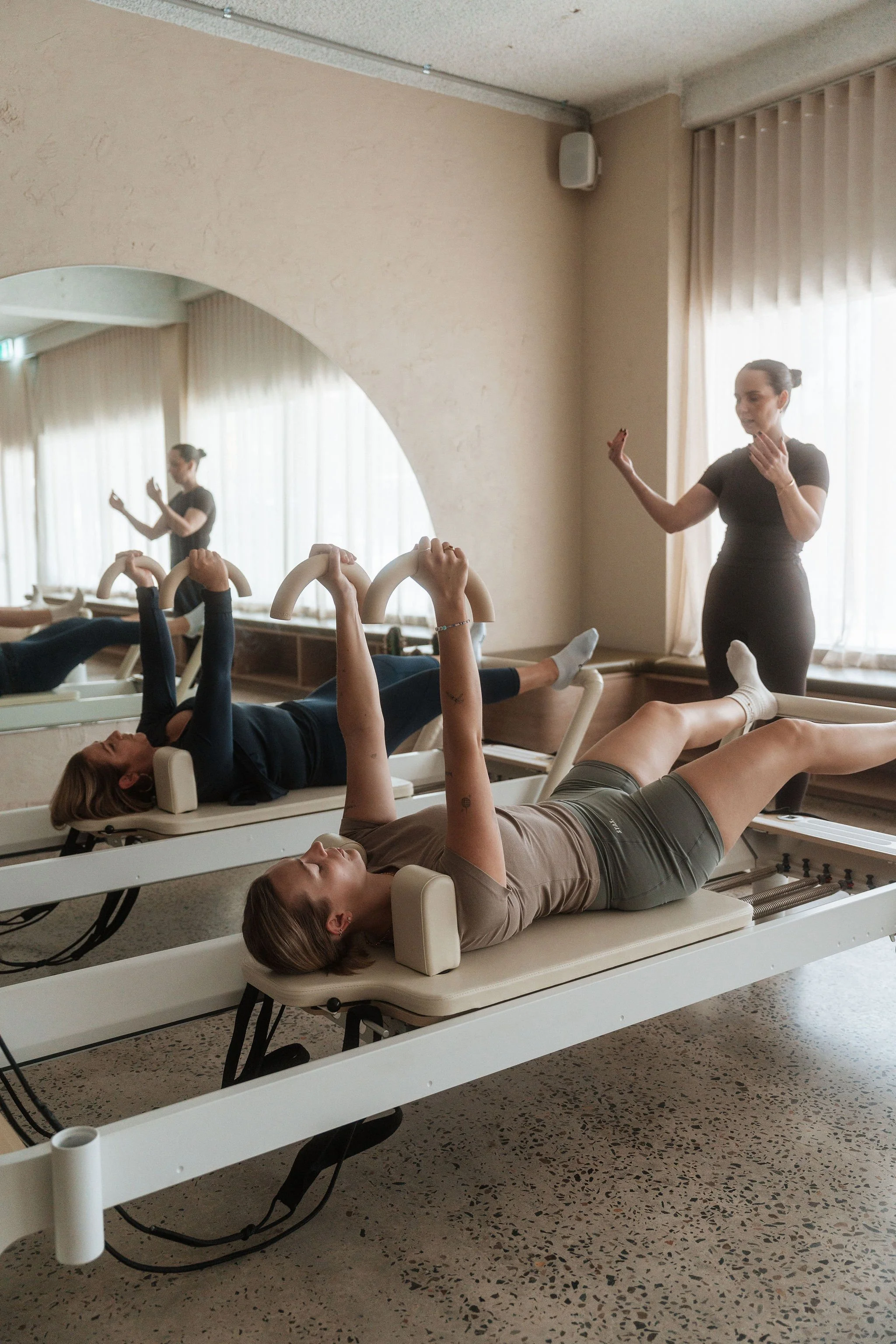
We offer this support through 1:1 Exercise Physiology, Clinical Pilates or small group classes — whichever suits where you are right now.
If you've recently finished a structured hospital cardiac rehabilitation program, you might also find it useful to read Finished Cardiac Rehab? Here's What Comes Next.