Exercise After Bypass Surgery
The information on this page is general health information only. It doesn't replace the specific advice given to you by your own doctor, cardiologist or cardiac rehabilitation team, who know your individual situation. Always follow the instructions you've been given personally before relying on general guidance like this.
What is CABG?
Coronary artery bypass graft surgery (CABG), often called "bypass surgery", is an operation used to improve blood flow to the heart when the coronary arteries have become significantly narrowed or blocked. A healthy blood vessel, usually taken from elsewhere in the body, is used to create a new pathway for blood to travel around the blockage.
Unlike a stent procedure, which is performed through a catheter, CABG involves surgery to the chest and heart, meaning recovery is generally more extensive and occurs over a longer period.
Exercise after bypass surgery: when is it safe?
This is one of the most common questions we hear from people recovering from bypass surgery. While recovery after CABG differs from recovery after a stent procedure, exercise remains an important part of the rehabilitation process.
Most people are encouraged to begin gentle movement relatively early in their recovery, often within the first couple of weeks, with activity progressing gradually over time. The exact timeline varies between individuals and depends on factors such as overall health, surgical recovery, symptoms and the advice of the treating medical team.
Walking and gentle movement are often the first forms of activity reintroduced after bypass surgery and are widely regarded as an important part of recovery. This may begin with short periods of walking on flat ground, gradually building as confidence, fitness and energy levels improve.
More structured cardiovascular exercise is often introduced gradually as recovery progresses and medical clearance is obtained. This may include walking programs, cycling or other aerobic exercise, frequently as part of a supervised cardiac rehabilitation program.
One of the key considerations following bypass surgery is the healing of the breastbone (sternum). Because of this, resistance and strength-based exercise is generally introduced more gradually than after some other cardiac procedures. Many people are also given temporary sternal precautions, which may include recommendations around lifting, pushing, pulling or more demanding upper-body movements while healing occurs. The timing and progression of strength training depend on factors such as healing, symptoms and medical guidance, rather than a single timeline that applies to everyone.
As recovery progresses, many people gradually return to a wide range of recreational activities, hobbies and exercise. Your healthcare team can help guide when particular activities are appropriate for you and how to return to them safely.
A structured cardiac rehabilitation program is widely regarded as one of the best ways to navigate recovery after bypass surgery. It combines personalised exercise prescription with education and professional support, helping people rebuild confidence while returning to activity.
Your own recovery timeline will depend on your surgery, your individual healing, and the recommendations of your surgeon, cardiologist and rehabilitation team. The information above reflects common patterns rather than a fixed schedule that applies to everyone.
Had a stent instead of bypass surgery? Recovery follows a different pattern — see our guides to Exercise After a Stent or Exercise After a Heart Attack.
Why this matters
Recovering from bypass surgery can feel like a significant adjustment, both physically and emotionally. It's completely normal to have questions about what's safe and how quickly you should return to activity, particularly when recovering from major surgery.
The good news is that, when introduced appropriately and with medical guidance, exercise is a well-established part of recovery after bypass surgery. It can help improve cardiovascular fitness, rebuild strength and confidence, support day-to-day function, and make it easier to return to the activities that matter most to you.
While recovery timelines vary, most people can safely return to meaningful physical activity following CABG. Having a structured plan and appropriate support can make that process feel clearer and more manageable.
Our support and exercise approach
Our exercise physiology support is designed around the specific demands of bypass surgery recovery. This includes:
Individually prescribed exercise that respects your surgical history, stage of recovery and medical guidance
Gradual, structured progression of walking, cardiovascular exercise and physical activity
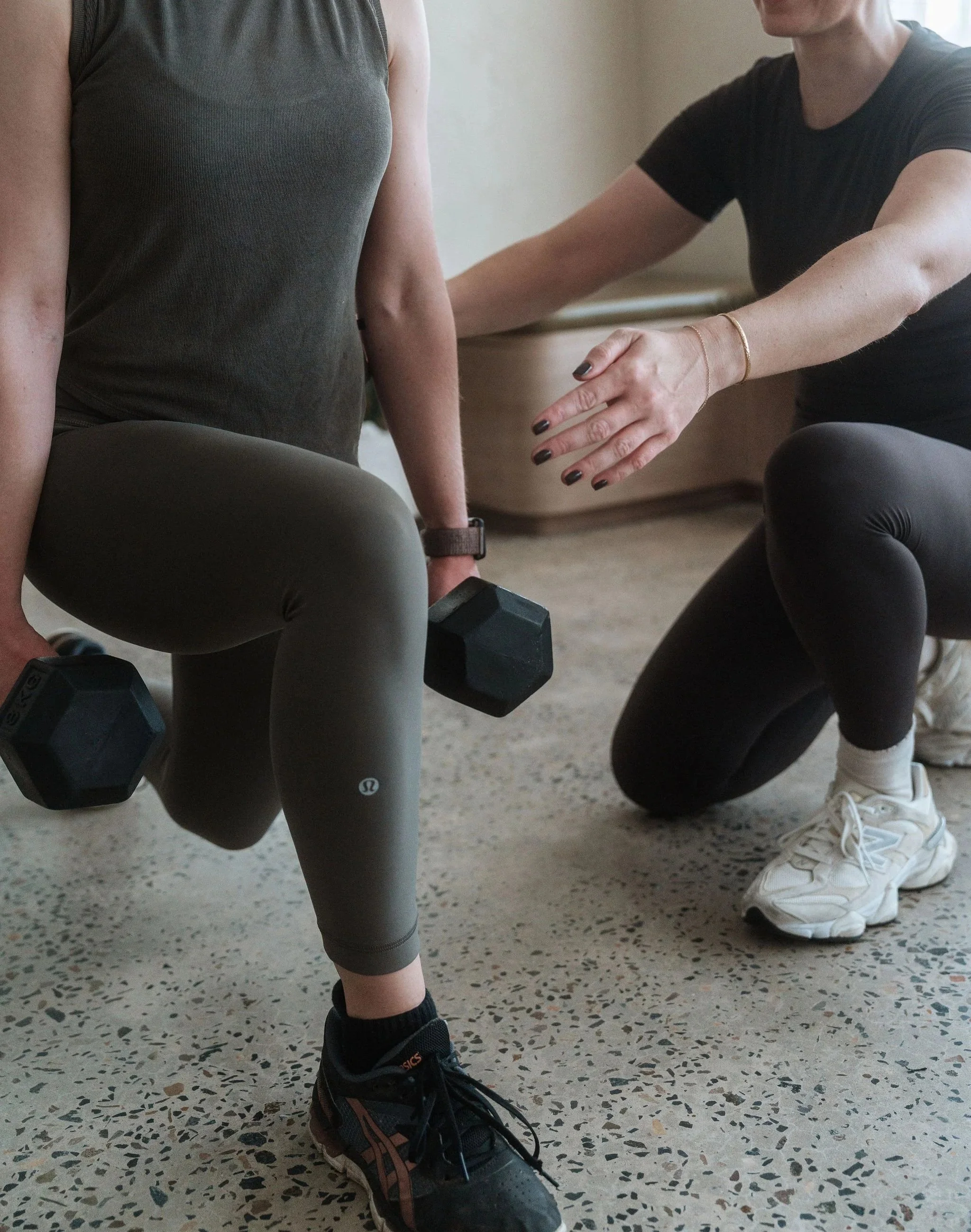
Careful reintroduction of resistance training when appropriate for your stage of healing
Education around safe movement, pacing and rebuilding confidence with exercise
Ongoing review and adaptation as your recovery, fitness and medical guidance progress
A collaborative approach with your healthcare team, so exercise and lifestyle strategies align with your broader recovery plan
We offer this support through 1:1 Exercise Physiology, Clinical Pilates or small group classes — whichever fits where you are in your recovery.
If you've recently finished a structured hospital cardiac rehabilitation program, you might also find it useful to read Finished Cardiac Rehab? Here's What Comes Next.