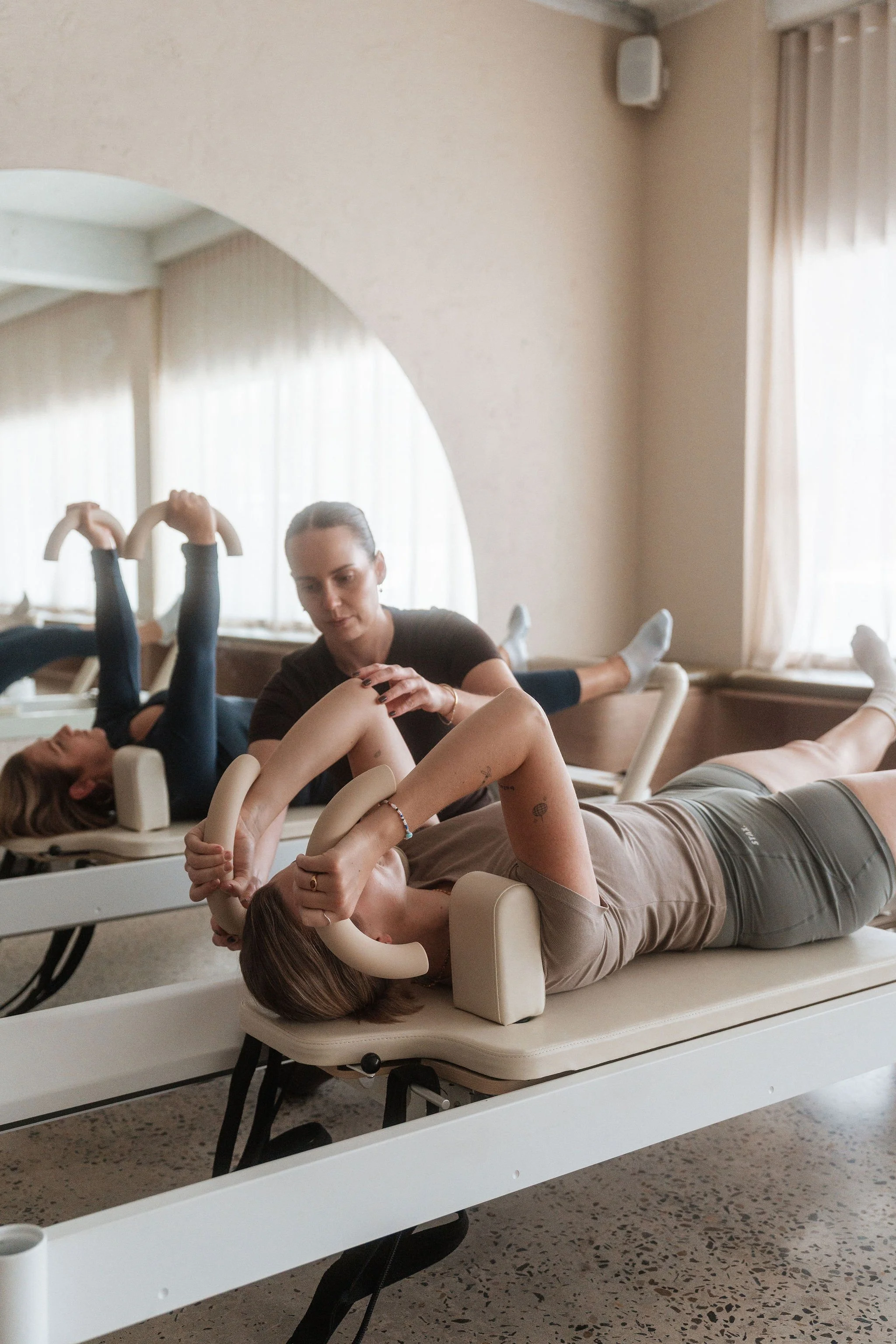
Womens Heart Health

Heart health support for women, at every stage of life
Our exercise programs are designed with women's unique physiology in mind — whether you're managing cardiovascular risk factors, navigating the hormonal changes of perimenopause and menopause, living with a women-specific cardiac condition, or managing POTS or dysautonomia.
We support you to build cardiovascular fitness, strength, and bone health at your own pace, with safe progression and long-term confidence with movement.
Women and Heart Disease
Heart disease remains one of the leading causes of death in Australian women — claiming one woman's life every hour. While it's often thought of as a man's issue, the reality is that women are frequently underdiagnosed and undertreated. Up to 80% of premature heart disease is preventable — and exercise is one of the most powerful tools available.
Women Specific Conditions
Women can experience cardiac conditions that are less common in men, or that present differently. These include:
INOCA / ANOCA / Vasospasm (Ischemia / Angina with Non-Obstructive Coronary Arteries)
Microvascular Disease
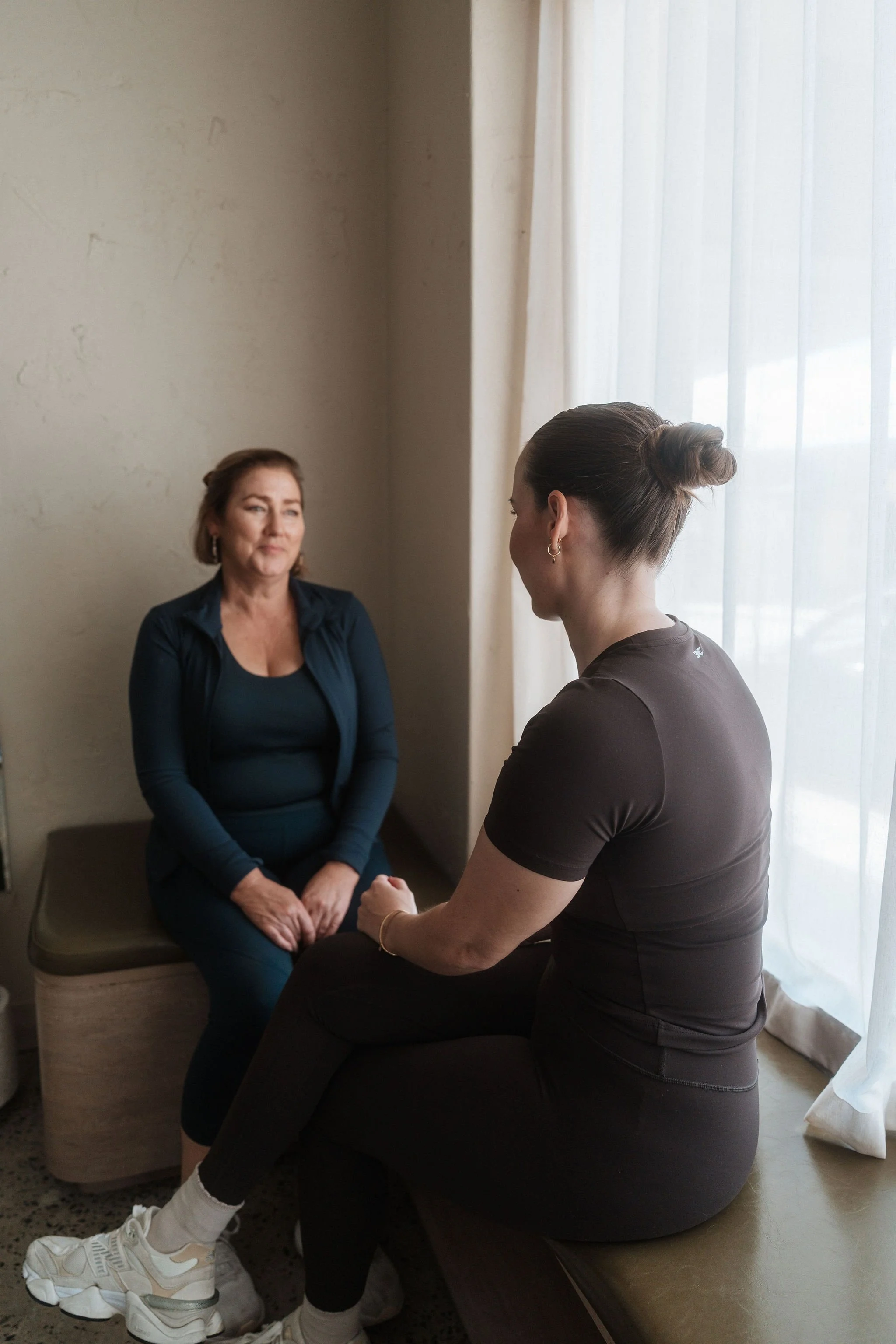
Women Specific Risk Factors
Women can experience risk factors that are less common in men, or that present differently. These include:
Pre-Eclampsia and Gestational Diabetes
PMOS (Polyendocrine Metabolic Ovarian Syndrome, formerly known as PCOS)
Menopause-Related Cardiovascular Risk
Autoimmune diseases
Women Specific Symptoms
Women may experience heart disease or cardiac events differently to men. Symptoms can include fatigue, shortness of breath, nausea, back or jaw discomfort, and palpitations — rather than the classic central chest pain. Recognising these differences is an important part of understanding and protecting your heart health.
Peri and Menopause Related Changes
During perimenopause and menopause, declining oestrogen levels influence blood vessel health, blood pressure regulation, cholesterol levels, body composition, and bone density. Metabolic changes also occur — including shifts in insulin sensitivity, blood sugar regulation, and how the body stores fat — contributing to an increased risk of type 2 diabetes and cardiovascular disease.
Exercise is one of the most effective tools for managing these changes. A structured, individualised exercise program can help improve blood pressure, support healthy cholesterol levels, improve insulin sensitivity, maintain muscle mass and bone density, and build the cardiovascular fitness that protects your heart long term.